Essential Features to Consider When Buying a Boiler
As the temperature drops and the chilly months set in, ensuring that your home is warm and comfortable is a top priority for any homeowner. One crucial element in achieving this comfort is investing in a reliable boiler. With numerous options available on the market, determining which boiler is best suited for your home can be overwhelming. This guide will outline essential features to consider when buying a boiler, ensuring you make an informed decision.
Type of Boiler
The first step in your boiler purchasing journey is to understand the different types available. The three main types are combination (combi) boilers, system boilers, and conventional boilers. Combi boilers are compact and ideal for smaller homes, as they provide both hot water and heating on demand without the need for a separate tank. System boilers, on the other hand, are perfect for homes with higher hot water demands, as they store hot water in a cylinder. Conventional boilers are the traditional choice, requiring a separate hot water cylinder and cold water storage tank. Assess your home’s requirements to determine which type suits your needs best.
Energy Efficiency
In today's environmentally conscious world, energy efficiency is a vital factor when buying a boiler. Look for boilers with high energy efficiency ratings, typically indicated by an A rating on the Energy Related Products Directive label. The higher the rating, the more efficient the boiler will be, leading to reduced energy bills and a smaller carbon footprint. Modern boilers are designed to maximise efficiency, so consider investing in a condensing boiler, which reuses waste gas to heat water, significantly improving energy conservation.
People Also Look For:
Size and Capacity
Choosing the right size and capacity of the boiler is critical to ensuring that it meets your household's heating and hot water demands. An undersized boiler may struggle to heat your home adequately, while an oversized one can lead to unnecessary energy consumption and higher bills. To determine the right size, consider factors such as the number of rooms, the number of occupants, and the existing heating system. Consulting a qualified heating engineer can provide tailored advice on the appropriate capacity for your home.
Installation and Maintenance
The installation process and subsequent maintenance requirements are also essential considerations. Professional installation is crucial for ensuring the boiler operates efficiently and safely. Look for reputable installers with good reviews and accreditation from industry bodies. Additionally, consider the maintenance needs of the boiler; some models require more regular servicing than others. A boiler with a longer warranty can provide peace of mind and may indicate a manufacturer’s confidence in the product's durability.
Smart Technology Integration
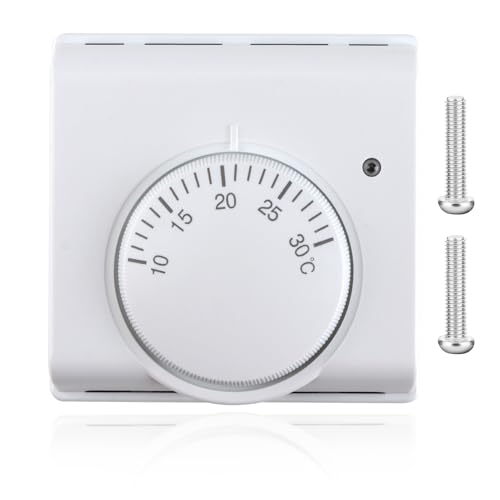
In an era where smart home technology is becoming increasingly prevalent, choosing a boiler equipped with smart features can enhance your home's efficiency. Look for options that offer smart thermostats, remote control capabilities, and integration with home automation systems. These features not only allow for better control of heating and hot water but also can lead to significant energy savings by optimising your usage patterns.
Noise Levels
Another often overlooked aspect is the noise level of the boiler. Some models can be quite noisy, which can be disruptive, especially in smaller homes or apartments. When shopping for a boiler, check the manufacturer's specifications for noise ratings. Quieter models are available that operate with minimal sound, providing comfort without disturbance.
Budget and Long-Term Costs
Lastly, consider your budget not just for the initial purchase but also for long-term costs, including installation, maintenance, and energy bills. While it may be tempting to choose a cheaper model, investing in a more efficient boiler can lead to savings over time in energy costs. Be sure to factor in the potential for grants or rebates for energy-efficient upgrades, as these can help offset the initial expenses.