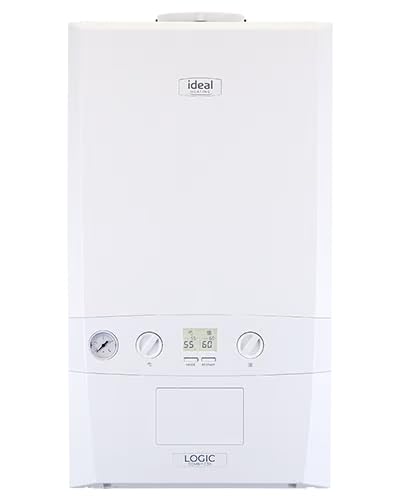
expert tips for choosing the right boiler for your needs
Choosing the right boiler for your home is a crucial decision that can significantly impact your comfort and energy bills. With numerous options available in the market, it is essential to understand the factors that influence your choice. Here are some expert tips to guide you through the process of selecting the perfect boiler for your needs.
Assess Your Heating Requirements
The first step in choosing the right boiler is to assess your heating requirements. Consider the size of your home, the number of radiators you have, and the hot water needs of your household. A boiler that is too small will struggle to meet your demands, while one that is too large may lead to higher energy bills. A heating engineer can conduct a heat loss calculation to determine the appropriate boiler size.
Different Types of Boilers
Familiarise yourself with the different types of boilers available. The main types include combi, system, and regular boilers. Combi boilers are ideal for smaller homes as they provide instant hot water and do not require a separate water tank. System boilers are more suited for larger properties as they can supply hot water to multiple outlets simultaneously. Regular boilers are best for homes with traditional heating systems and require a hot water tank and cold water storage.
People Also Look For:
Energy Efficiency Ratings
When choosing a boiler, pay attention to its energy efficiency rating. Boilers are rated from A to G, with A-rated models being the most efficient. An energy-efficient boiler can save you money on your fuel bills and reduce your carbon footprint. Look for models that have a rating of at least A or A+ to maximise savings in the long run.
Consider Fuel Type
Another vital factor to consider is the fuel type your boiler will use. In the UK, the most common options include gas, oil, and electricity. Gas is often the most economical choice for heating and hot water, while electric boilers can be a suitable option for smaller homes or flats with less demand. If you live in a rural area where gas is not available, an oil or LPG boiler may be necessary.
Budgeting for Your Boiler
Your budget will play a significant role in your decision-making process. Prices for boilers can vary widely based on type, brand, and energy efficiency. It is essential to consider not only the initial purchase price but also installation costs and long-term fuel expenses. Look for financing options or grants available for energy-efficient installations, which can help ease the financial burden.
Installation and Maintenance
Proper installation and maintenance are crucial for the longevity and efficiency of your boiler. Always hire a qualified and reputable engineer to install your boiler. Check their credentials and ensure they are registered with a relevant body, such as Gas Safe for gas boilers. Regular maintenance checks are also essential to ensure your boiler runs smoothly and efficiently, preventing costly repairs down the line.
Warranty and Support
Lastly, consider the warranty and customer support offered by the boiler manufacturer. A longer warranty period can provide peace of mind and protection against unexpected breakdowns. Additionally, check the availability of customer support services in your area, as this can be vital in case you encounter issues with your boiler.