the ultimate guide to safe boiler operation for beginners
Boilers are an integral part of many homes across the UK, providing essential heating and hot water. Understanding how to operate and maintain a boiler safely is crucial for beginners who may be unfamiliar with these systems. In this guide, we aim to equip you with essential knowledge and practical tips to ensure the safe operation of your boiler.
Understanding Your Boiler
Before operating your boiler, it is important to understand its components and how they work together. A typical boiler consists of a burner, heat exchanger, and controls. Familiarise yourself with the model you have at home, as each may have unique features or settings. Refer to the user manual for specific details related to your boiler type.
Regular Maintenance is Key
Regular maintenance is vital for safe boiler operation. It is recommended to have your boiler serviced annually by a qualified professional. During the service, the engineer will check for any potential issues, ensure that safety devices are functioning correctly, and carry out necessary cleaning. This not only maximises efficiency but also extends the lifespan of your boiler.
Checking for Leaks
Regularly inspect your boiler area for any signs of leaks. This could be water pooling around the unit or damp patches on the walls. If you notice any leaks, it is important to turn off the boiler immediately and contact a qualified technician. Leaks can pose significant safety hazards, including potential gas leaks in gas boilers.
People Also Look For:
Understanding Pressure Levels
Monitoring the pressure gauge is crucial for safe boiler operation. Most boilers operate best at a pressure between one and one and a half bar. If the pressure drops below this level, it may indicate a problem, and you should consult the user manual for guidance on how to safely repressurise your system. Never attempt to tamper with the pressure valve without proper knowledge.
Identifying Warning Signs
Be aware of warning signs that may indicate your boiler is not operating safely. Unusual noises, such as banging or whistling, can signal mechanical issues. Additionally, if you detect a strange smell, especially a sulphuric or rotten egg odour, it could indicate a gas leak. In such cases, evacuate the area immediately and contact emergency services.
Using the Boiler Controls Safely
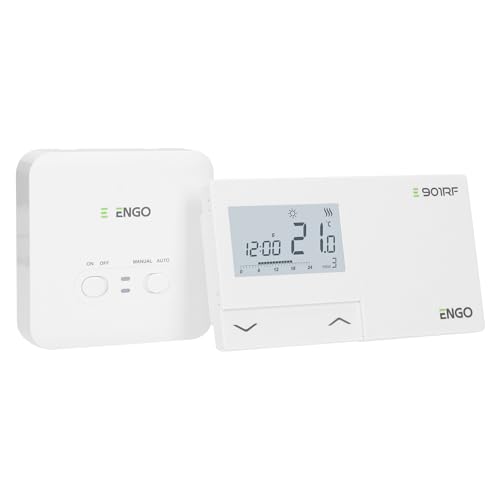
Familiarise yourself with the controls of your boiler. The thermostat allows you to set the desired temperature, while the timer can programme when the boiler operates. Never modify these settings without understanding their implications. Always ensure the boiler is turned off before making any adjustments to prevent accidents.
Ventilation is Essential
Proper ventilation is crucial for gas boilers, as they require a sufficient supply of air to operate safely. Ensure that the area around your boiler is free from clutter and that vents are unobstructed. This will help prevent the risk of carbon monoxide build-up, which can be extremely hazardous.
Carbon Monoxide Detectors
Installing a carbon monoxide detector in your home is a critical safety measure. These devices can provide early warnings in the event of a gas leak, giving you time to act. Ensure that your detector is installed according to manufacturer instructions and check the batteries regularly to guarantee functionality.
When to Call for Help
If you encounter any issues with your boiler that you cannot resolve, do not hesitate to call a qualified technician. Avoid attempting to fix complex problems yourself, as this can lead to further damage or safety hazards. Always prioritise safety over convenience.